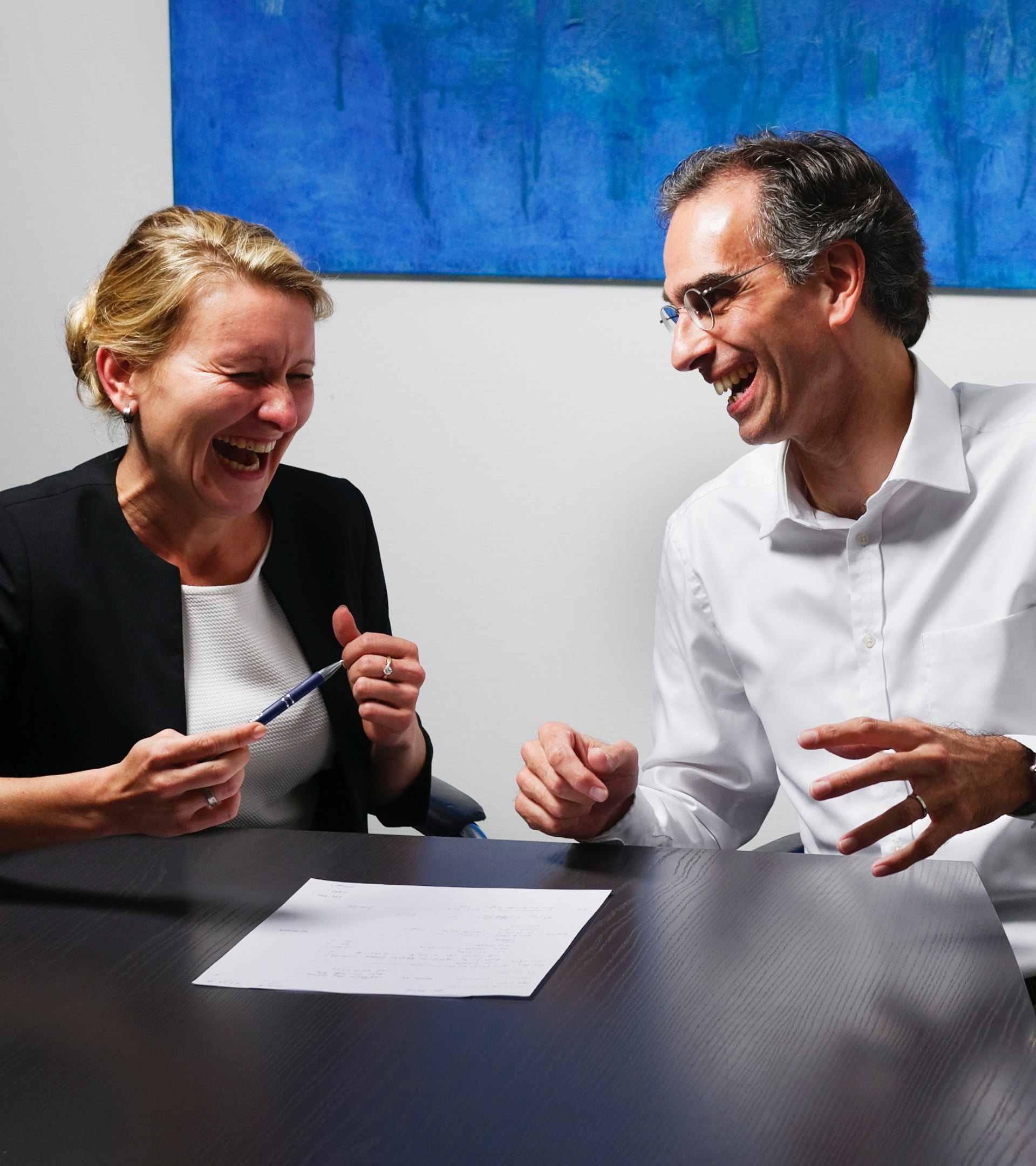
The COMPLION team is made up of experienced, highly specialized individuals from a variety of professional backgrounds. With this wide spectrum of expertise we are able to support our clients in solving IT-related challenges.
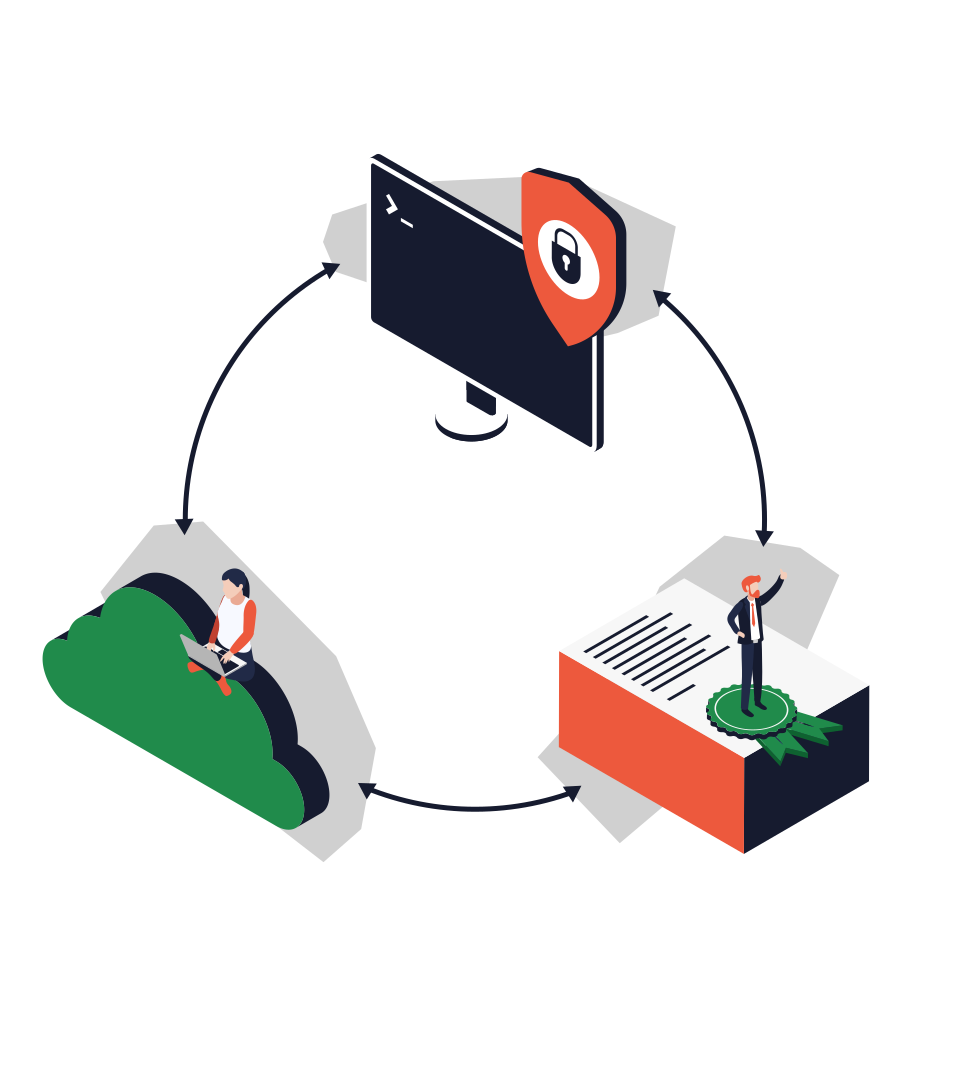
Our focus is on the areas of cybersecurity, digitalization and Software Asset Management. With our many years of experience, we support our clients in the areas of compliance, increasing efficiency and reducing costs.
We can achieve more together than we do alone. That's why we are looking for innovative thinkers who want to strengthen our team of consultants and take on responsibility for important tasks in exciting projects.
My first six months in IT Management consulting: lessons learned and the omnipresence of PowerPoint
Over six months ago, I started my first day as an IT management consultant - full of anticipation and, to be honest, with no real idea of what to expect. Today I know: The job lives up to all the clichés, and there’s so much more to it than that. Time for a look back - and a subjective insight into a profession that many know only through stereotypes.
We bet you’re facing at least one of these 6 licensing issues
Summer. The vacation season is in full swing. Your inbox is finally a little lighter, the phone rings less often, and many projects are on hold. Perfect conditions to put your feet up—or to take an honest look at your own license management.
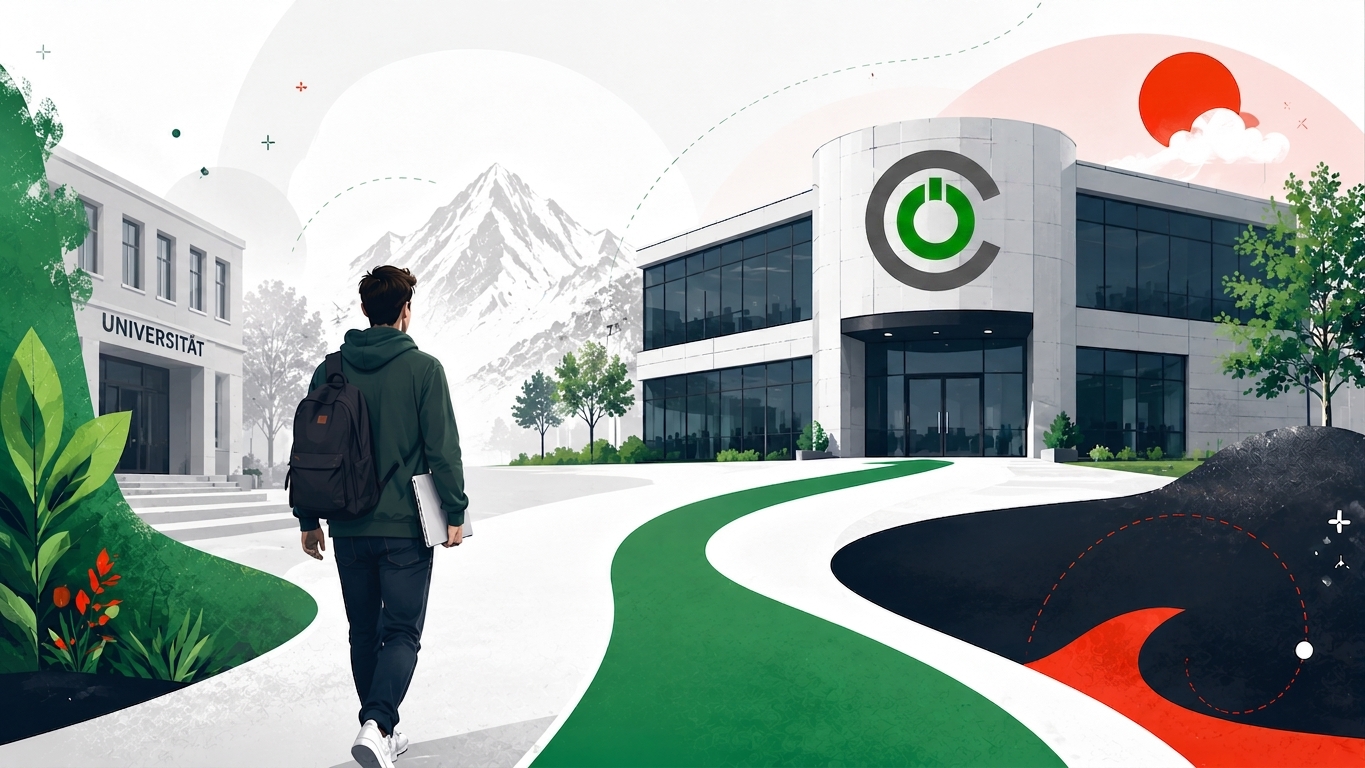
From the lecture hall to Complion. Our student employee shares: “I never would have thought I’d be able to take on responsibility so quickly.”
What’s it really like to start at Complion? What can students expect during their internship semester or as a working student with us, and which skills from their studies actually help in their day-to-day work?
We spoke with our working student, Luca. In this interview, he explains why he chose Complion, what surprised him during his first few weeks, and why he recommends that other students take the plunge into consulting.
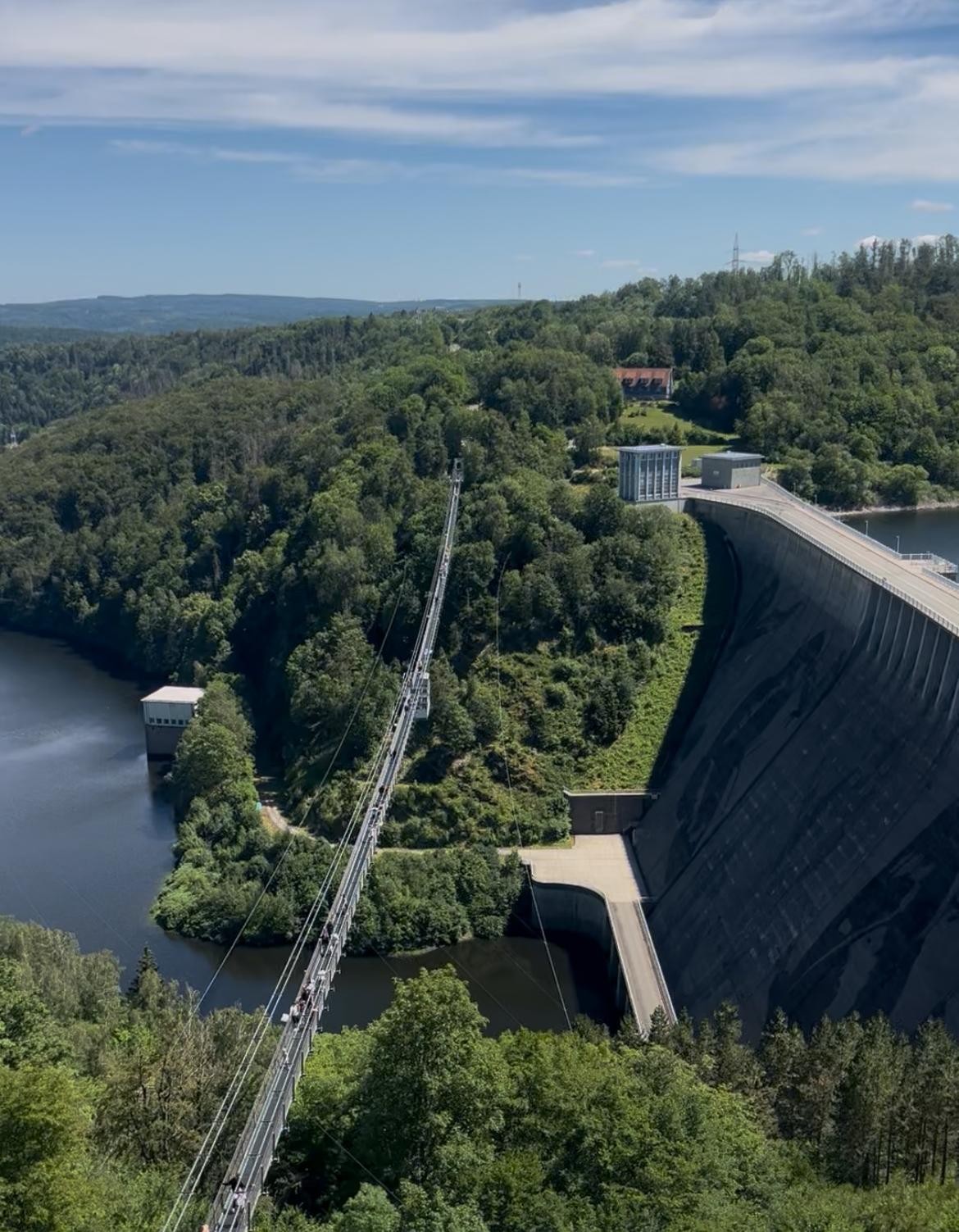
5 days in the Harz Mountains - working, laughing, and as a “thank you,” we were thrown off a 100-meter-high bridge.
Some companies send their employees to a dark conference room for team-building. We at Complion, on the other hand, head to the lush Harz Mountains, climbed a 100-meter-high suspension bridge, let ourselves be catapulted about 40 meters into the air (in this case, I was one of the catapult victims), and plunged 100 meters into the depths—but more on that later. For a week, the Complion team gathered in Elbingerode to work together, exchange ideas, have fun, and, of course, explore the area.