SpotON – our blog around digital compliance in enterprises
SpotON – Digital Compliance
Read here regularly on selected topics, developments and news from the areas:
SAM & Cloud – use software legally compliant and cost-effective
IT Security & Threat Intelligence – protect the IT landscape effectively
Data & Digitization – manage digital assets across the lifecycle
Complion Insights – look behind the scenes of digital compliance consultants
07/10/2026
Management Consultants and Butterflies
What I’ve learned about consulting, experience, and my aversion to PowerPoint in my first seven months at COMPLION. It’s January 16, 2026. I’m sitting in Cologne, holding a cup of coffee, and looking at an Excel presentation with 8-point font. In front of me are tables, numbers, and more columns than any human should have to take in on a screen at once. In a few days, I’ll officially become a management consultant.
Data Protection in AI Systems: Transparency, Accountability and Secure Data Processing
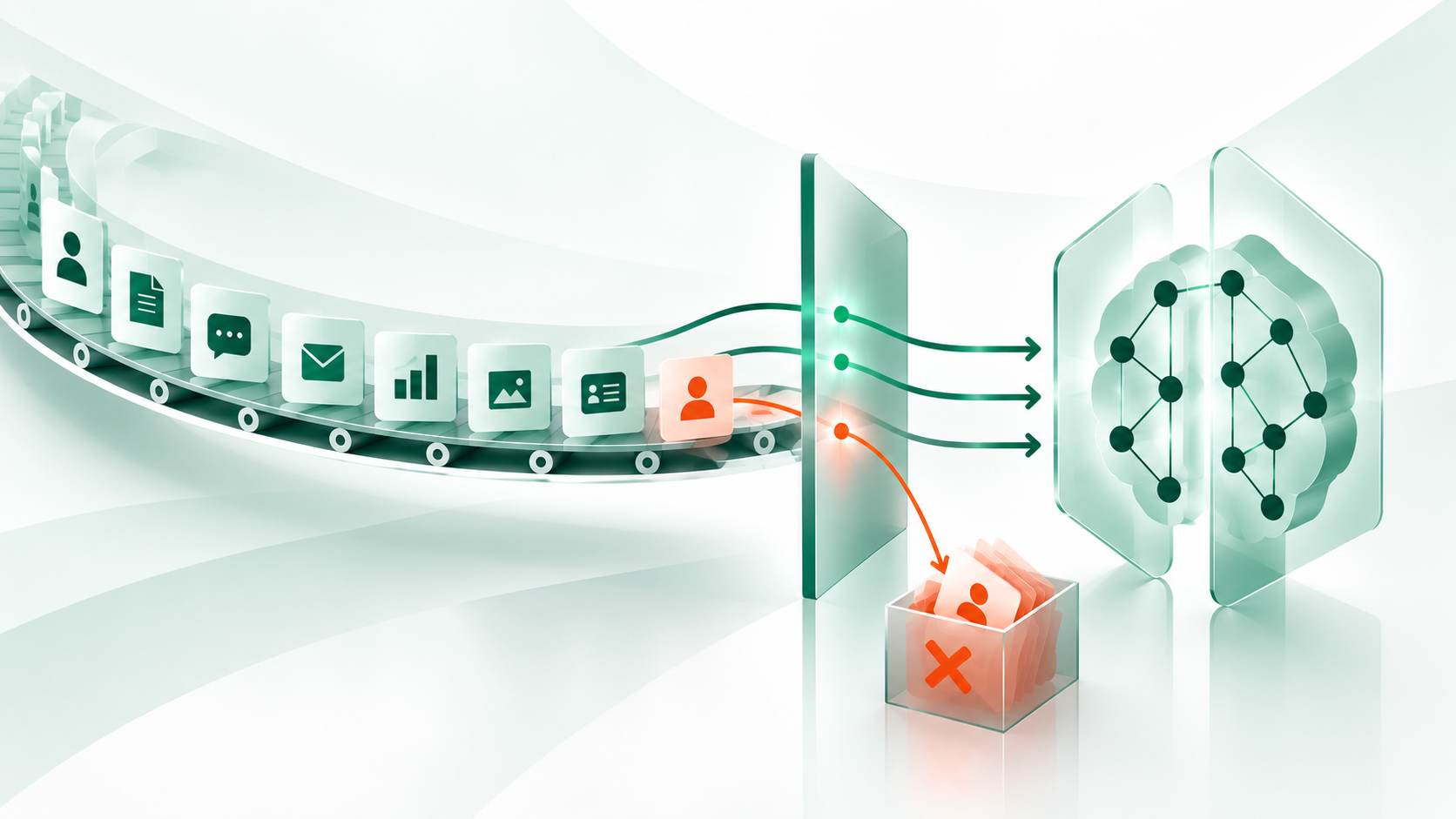
AI systems are entering businesses, often faster than data protection teams can keep up. But who is actually responsible when a chatbot processes personal data? What legal basis supports training proprietary models with existing customer data? And what happens when a data subject requests access to information contained in a language model that can no longer be reliably searched from a technical perspective?
When the DORA Regulation was published, my colleagues Christian, Roman, and Florian locked themselves away in our conference room for a week. Their goal: to understand the regulatory requirements, contextualize them, and derive concrete areas of action for our clients.
I was very impressed by the three of their work ethic, but above all, it made it clear to me just how much technical work is required before legal requirements can be translated into concrete measures for IT, governance, and risk management.
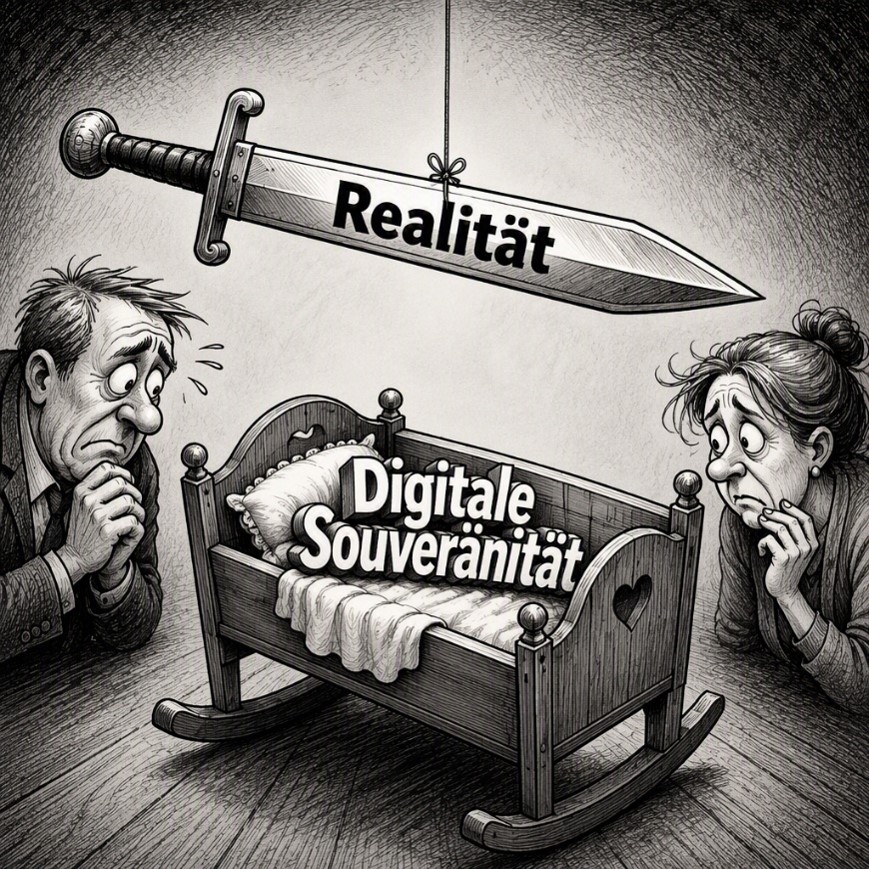
Digital Sovereignty at Any Cost? – What Happens When Data Protection Concerns Meet Reality (Part 2)
This blog post examines questions surrounding digital sovereignty. More specifically: is the call for digital sovereignty understandable in the case of the encrypted Senate administration? And where is digital sovereignty currently failing in the EU?
Since the content of this blog post is based on the cyberattack against two Berlin Senate administrations, I recommend reading the first part of this series.
A Cyber Incident with Political Explosive Potential – Attack on Berlin’s Senate Administrations (Part 1)
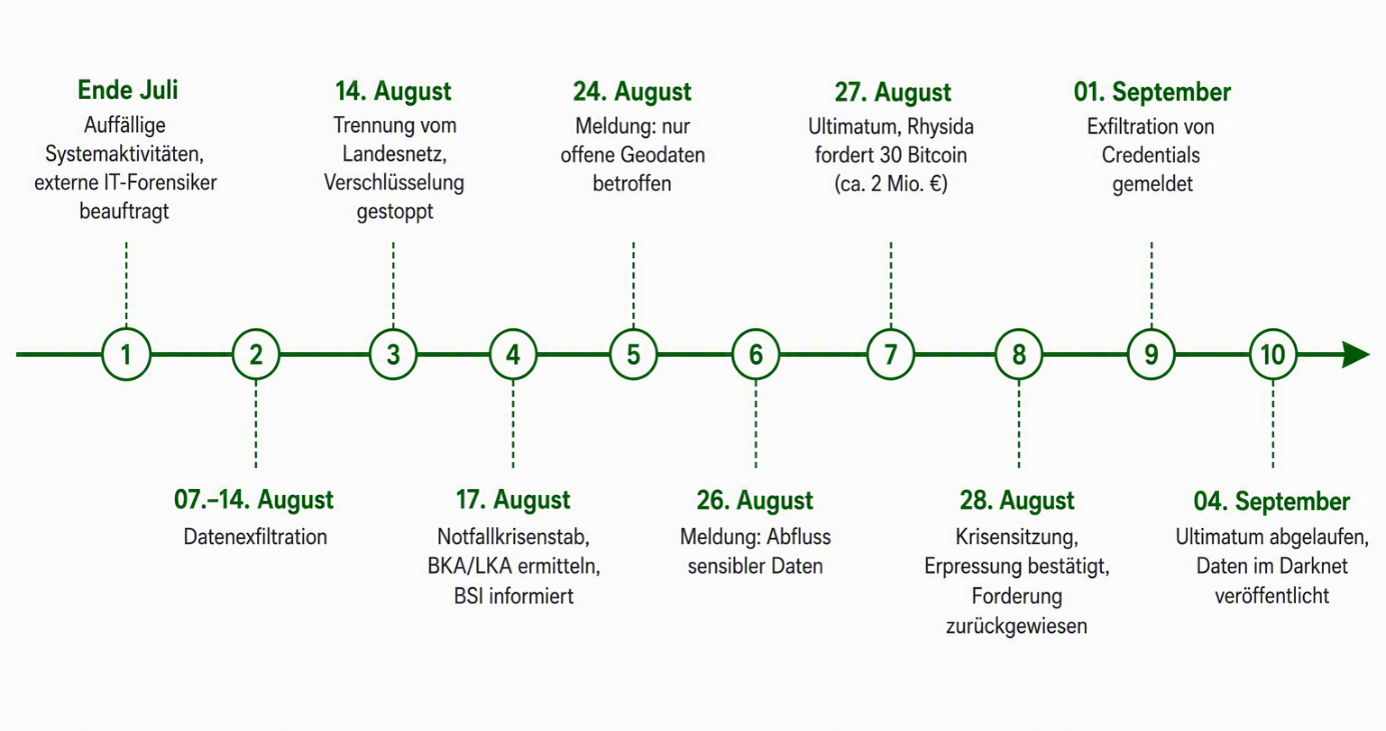
In the middle of last month, more precisely between August 7 and 12, two Berlin Senate administrations were successfully targeted in a cyberattack: the Senate Department for Urban Development, Building and Housing, on the one hand, and the Senate Department for Mobility, Transport, Climate Protection and the Environment, on the other. At that point, however, it was not yet known that the incident was actually much more serious and that the first signs had already been detected in June.
I never intended to become a consultant. I studied history and geography to become a secondary-school teacher, and I was a teacher out of conviction.
However, I realised fairly quickly that I would spend late nights preparing and refining my lessons, trying to make them as good as possible. At the same time, I saw that others were investing no effort at all. That frustrated me. Schools are not meritocracies. What matters is not who puts in the most effort, but how many years someone has been in the profession—and at the time, that did not seem fair to me.
SAP to Adjust Maintenance Fees in 2027 – What Companies Should Consider Now
As of January 1, 2027, SAP will adjust the maintenance fees for existing support contracts. The adjustment will affect SAP Standard Support, SAP Enterprise Support, and SAP Product Support for Large Enterprises.
The amount of the adjustment will be based on the relevant local Consumer Price Index (CPI) or on the benchmark indices applicable to the respective market. SAP is capping the increase at a maximum of 5 percent.
My first six months in IT Management consulting: lessons learned and the omnipresence of PowerPoint
Over six months ago, I started my first day as an IT management consultant - full of anticipation and, to be honest, with no real idea of what to expect. Today I know: The job lives up to all the clichés, and there’s so much more to it than that. Time for a look back - and a subjective insight into a profession that many know only through stereotypes.
We bet you’re facing at least one of these 6 licensing issues
Summer. The vacation season is in full swing. Your inbox is finally a little lighter, the phone rings less often, and many projects are on hold. Perfect conditions to put your feet up—or to take an honest look at your own license management.
From the lecture hall to Complion. Our student employee shares: “I never would have thought I’d be able to take on responsibility so quickly.”
What’s it really like to start at Complion? What can students expect during their internship semester or as a working student with us, and which skills from their studies actually help in their day-to-day work?
We spoke with our working student, Luca. In this interview, he explains why he chose Complion, what surprised him during his first few weeks, and why he recommends that other students take the plunge into consulting.
5 days in the Harz Mountains - working, laughing, and as a “thank you,” we were thrown off a 100-meter-high bridge.
Some companies send their employees to a dark conference room for team-building. We at Complion, on the other hand, head to the lush Harz Mountains, climbed a 100-meter-high suspension bridge, let ourselves be catapulted about 40 meters into the air (in this case, I was one of the catapult victims), and plunged 100 meters into the depths—but more on that later. For a week, the Complion team gathered in Elbingerode to work together, exchange ideas, have fun, and, of course, explore the area.
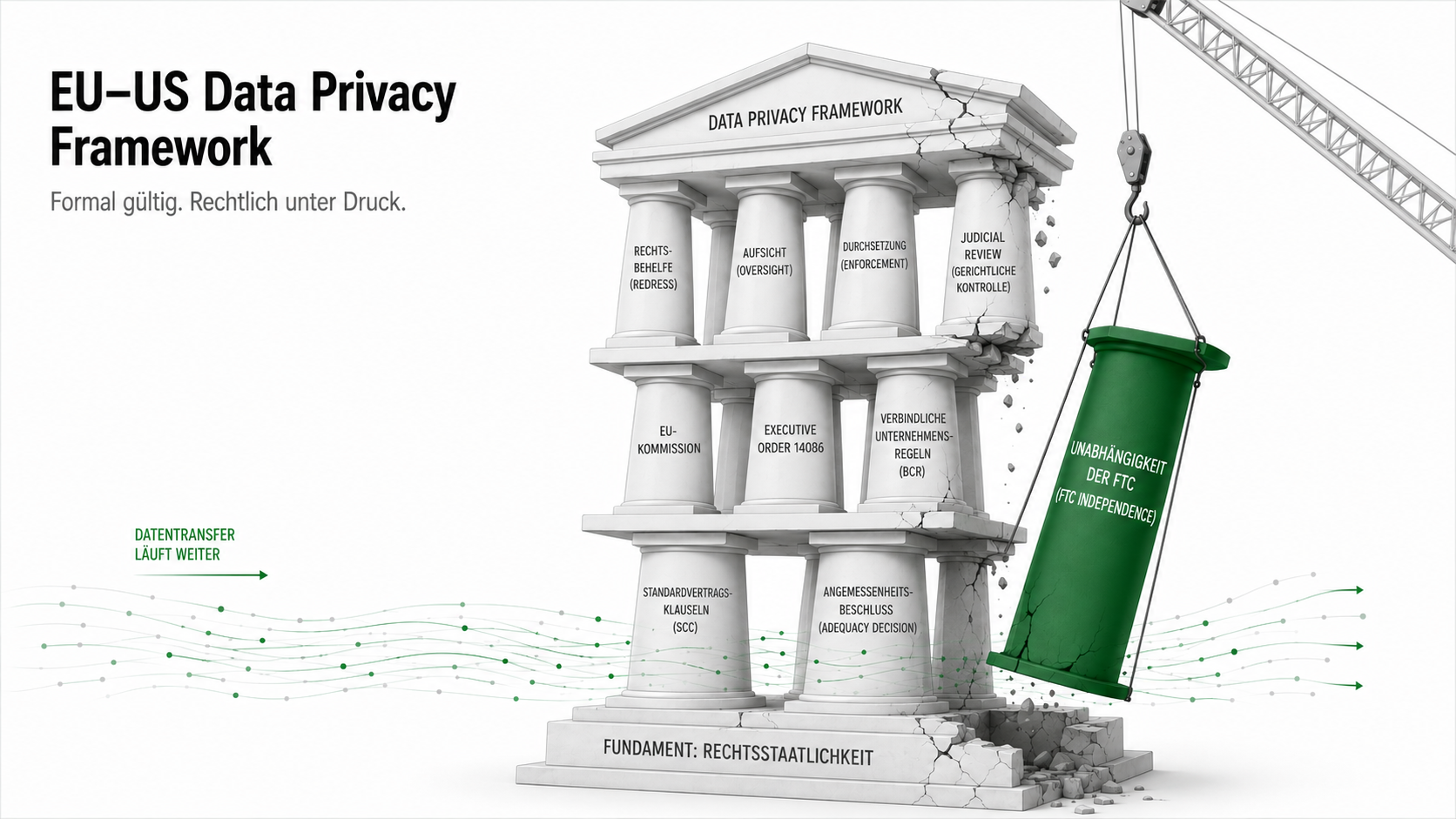
A ruling on the structure of U.S. government agencies brings down the EU-U.S. data agreement
At first glance, a dispute over the dismissal of an FTC commissioner seems to have little to do with data protection. But upon closer inspection, the U.S. Supreme Court has thereby removed the pillar on which the entire legal basis for data transfers from the EU to the U.S. rests.